Still Waters: Award-Winning Kenyan Sci-Fi Short Film Overview
Science fiction is very well suited to asking philosophical questions; questions about the nature of reality, what it means to be human, how do we know the things that we think we know.
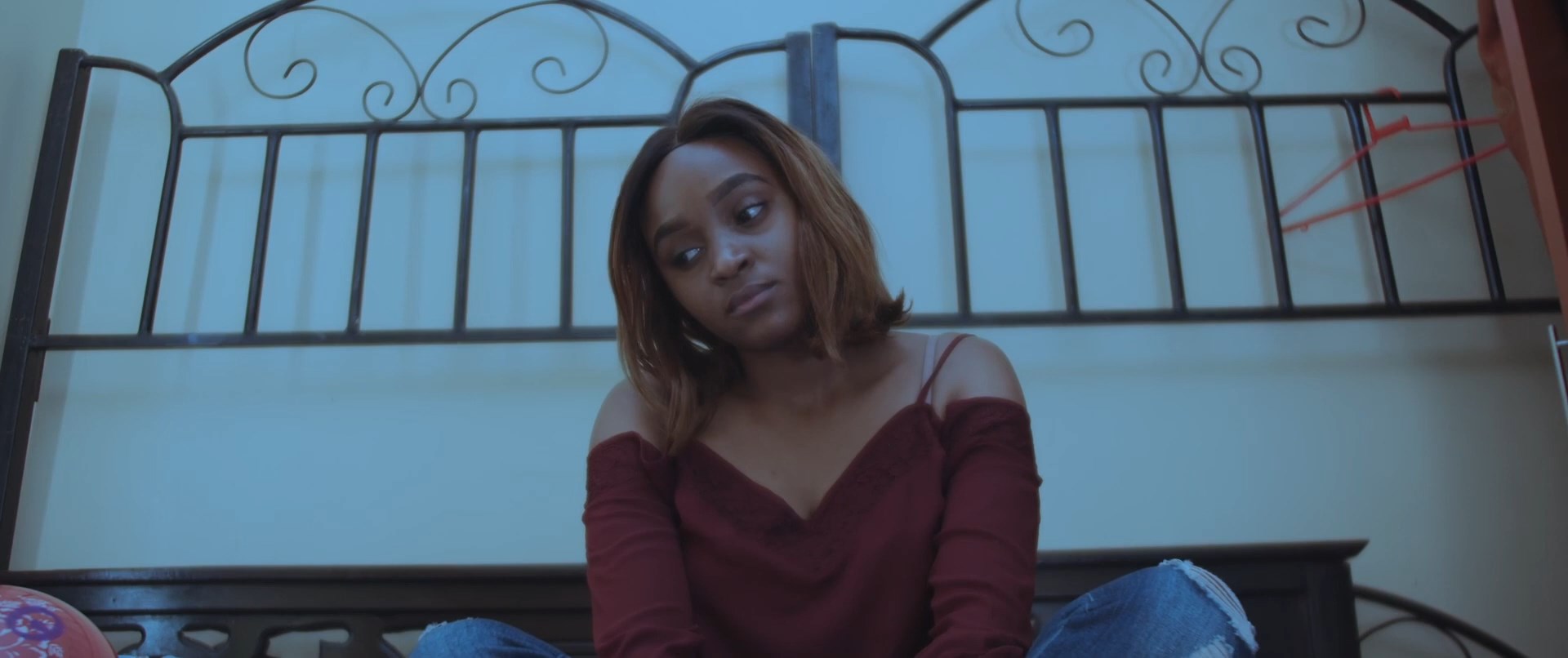
Still Waters is a short film that begins with a familiar premise but quickly distorts it into something more calculated and unsettling. This cinematic short film uses precise cinematography, minimal camera movement, and intentional color grading to create an eerie, controlled atmosphere.
At its core lies a fractured relationship, where suspicion, control, and technology blur the line between observation and intrusion.
What began as a passion project became my true entry into cinema. I stepped into filmmaking with nothing more than a camera and a team that believed in the vision, and it quickly grew into something far greater than expected.
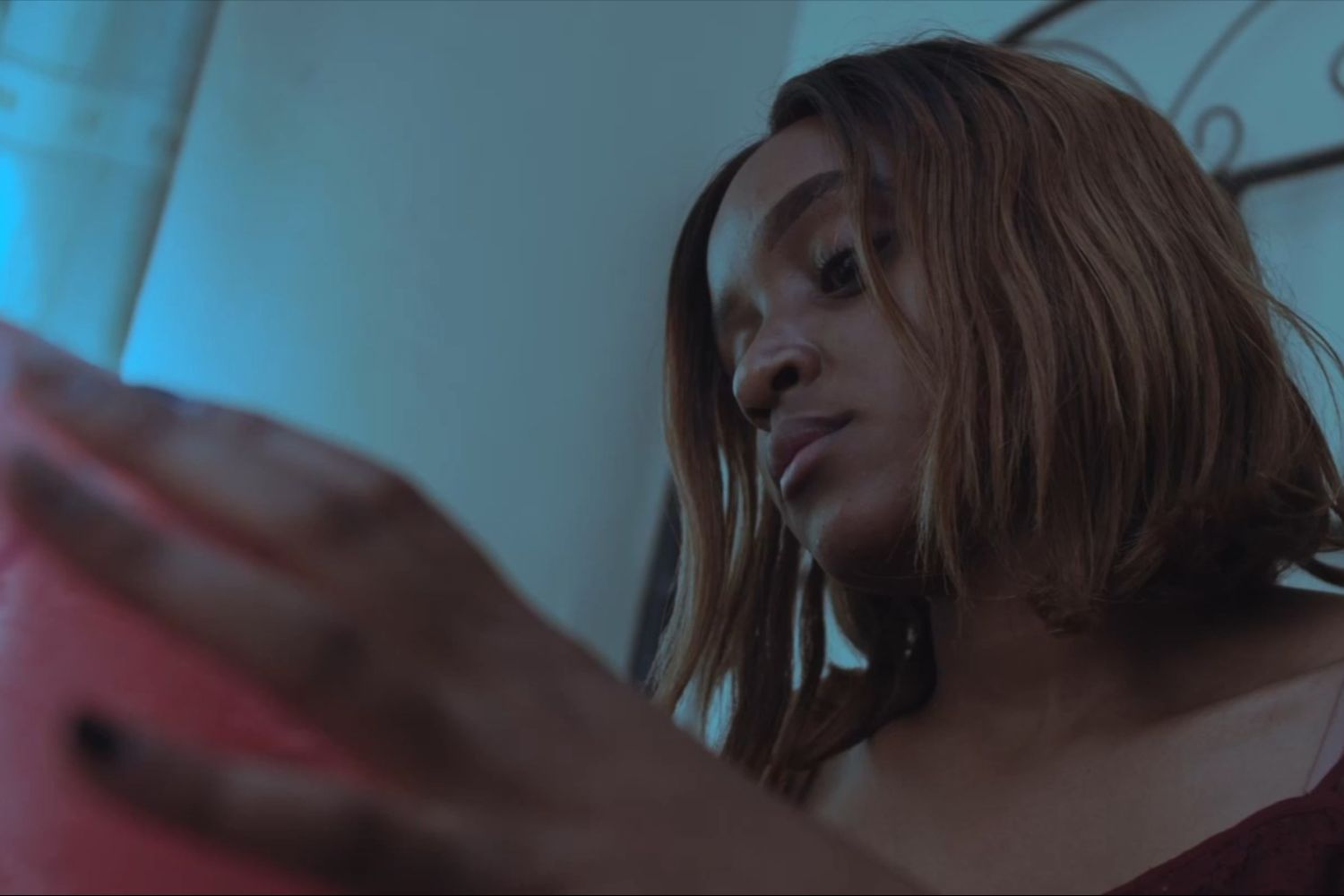
Mika is not simply reacting to betrayal. She is a hacker, quietly leveraging a networked intelligence known as Operand to monitor and manipulate. Axxenum is her own brain child she uses to hack into operand. What starts as curiosity evolves into control, stripping away autonomy and pushing the limits of trust.
A Story Driven by Tension
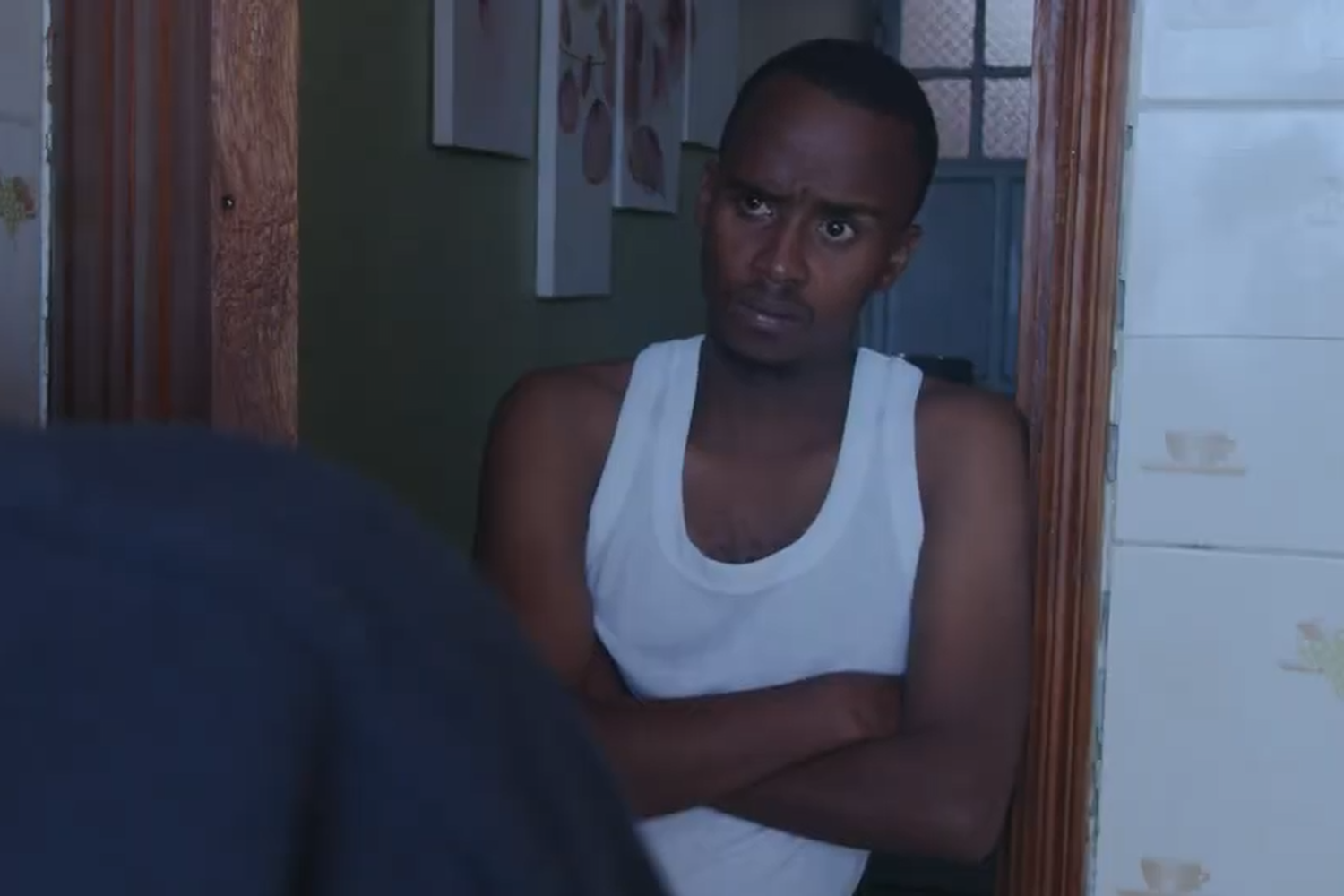
The narrative tightens when Quincy receives a call one cold morning. He pauses, fully aware the truth has caught up with him, yet he chooses deception. The exchange that follows is restrained but heavy, filling the space with tension.
A pot of boiling water simmers nearby. Its rising heat mirrors the pressure between them. Small details carry weight, turning ordinary moments into charged confrontations.
Mika is not simply reacting to betrayal. She is a hacker, quietly leveraging a networked intelligence known as Operand to monitor and manipulate. What starts as curiosity evolves into control, stripping away autonomy and pushing the limits of trust.
Mika
Hacker
Lead
Quincy
Podcaster
Lead
June
Artist
Lead
Mika
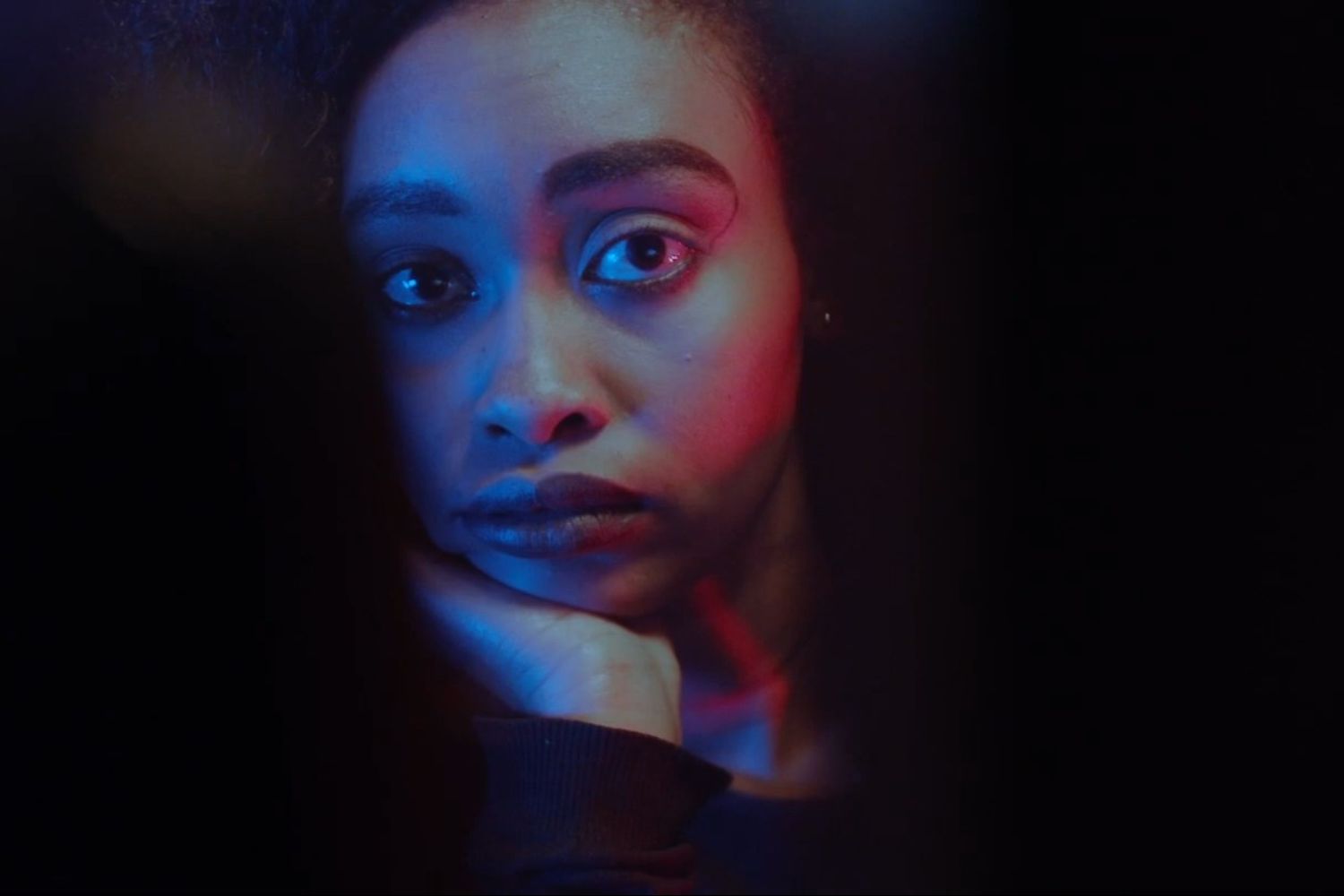
Mika is controlled, precise, and emotionally restrained. She operates with quiet intensity, masking deeper impulses beneath a composed exterior. Her sense of control defines her, but it also exposes her limits. Power, no matter how calculated, does not guarantee obedience.
Quincy
Quincy is perceptive, confident, and composed. He presents himself as grounded, yet his choices reveal instability beneath the surface. Drawn between two emotional worlds, he becomes trapped, not just by circumstance, but by his own decisions.
June
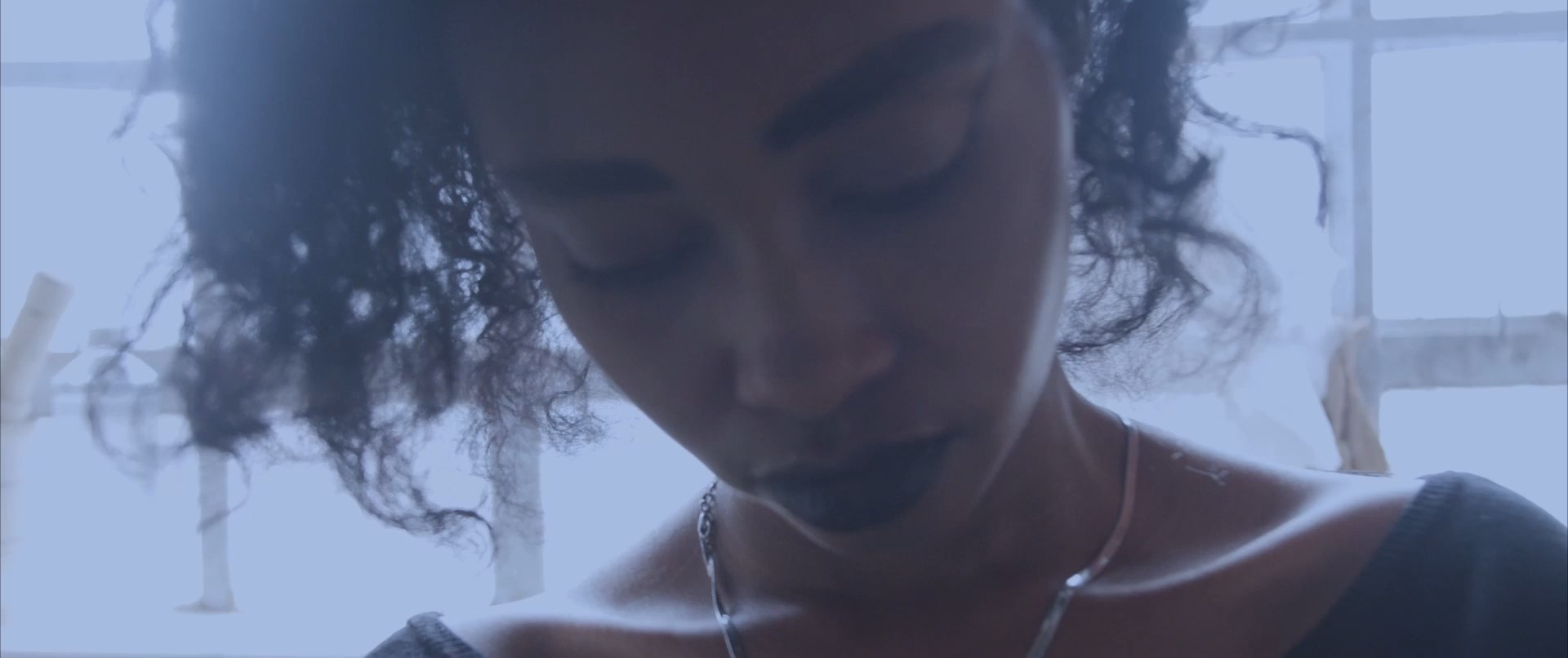
June is fragile, perceptive, and deeply unsettled. She possesses the ability to glimpse fragments of the future, often translating them into drawings she barely remembers creating. These visions blur reality and intuition, leaving her caught between awareness and confusion. Quincy once grounded her, but as that connection fractures, she is left with only fragments of what’s to come.
A pot of boiling water simmers nearby. Its rising heat mirrors the pressure between them. Small details carry weight, turning ordinary moments into charged confrontations.
Mika is not simply reacting to betrayal. She is a hacker, quietly leveraging a networked intelligence known as Operand to monitor and manipulate. What starts as curiosity evolves into control, stripping away autonomy and pushing the limits of trust.
The Characters
Themes and Direction
This shortfilm explores betrayal, control, and the fragile nature of human connection. Remove the technological layer, and the story becomes starkly simple: a man strays, and the response escalates beyond reason.
Both sides carry fault. One breaks trust. The other enforces control.
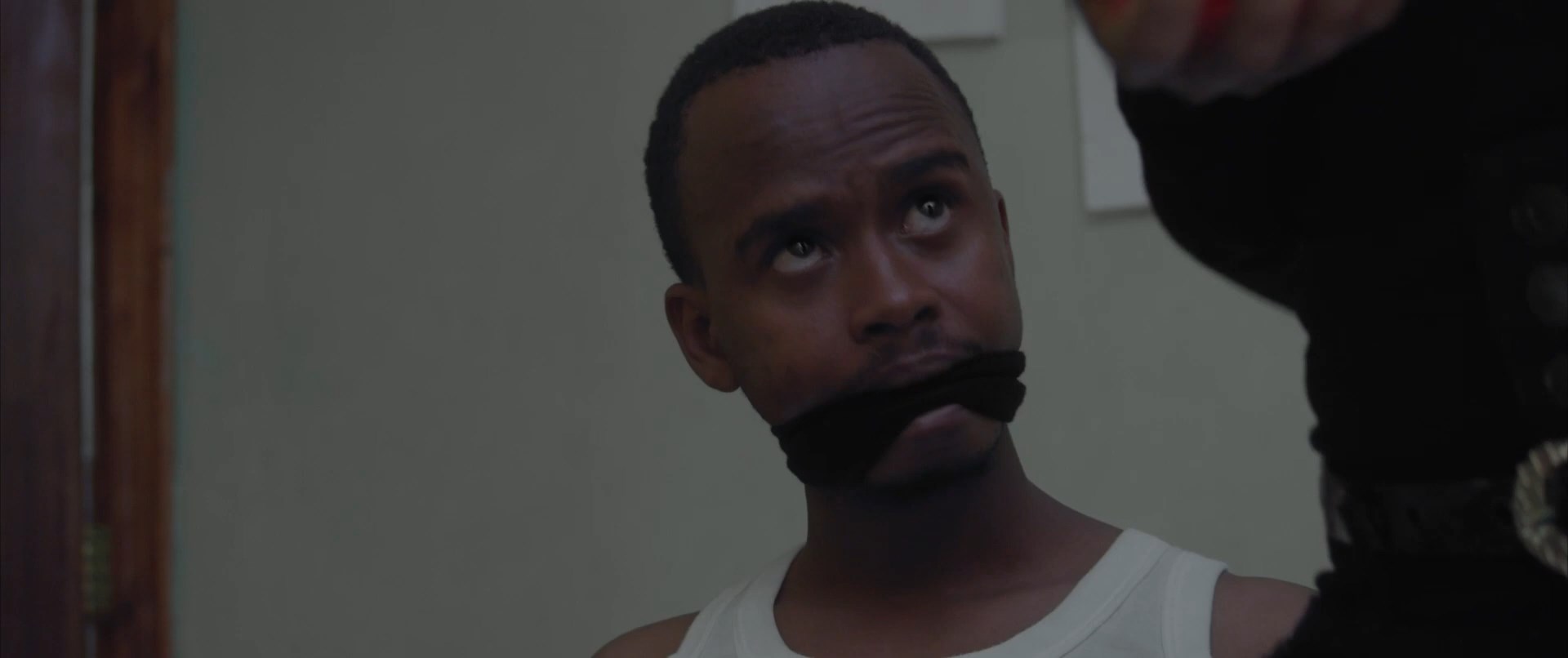
Bound and restrained, Quincy’s situation becomes symbolic. It reflects not only physical captivity, but the emotional consequences of choices left unresolved
Visual and Narrative Style
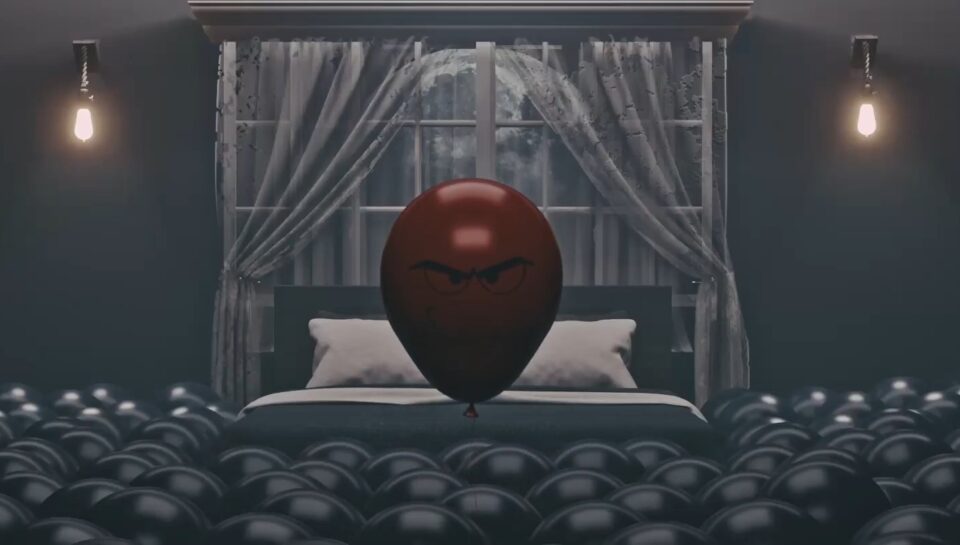
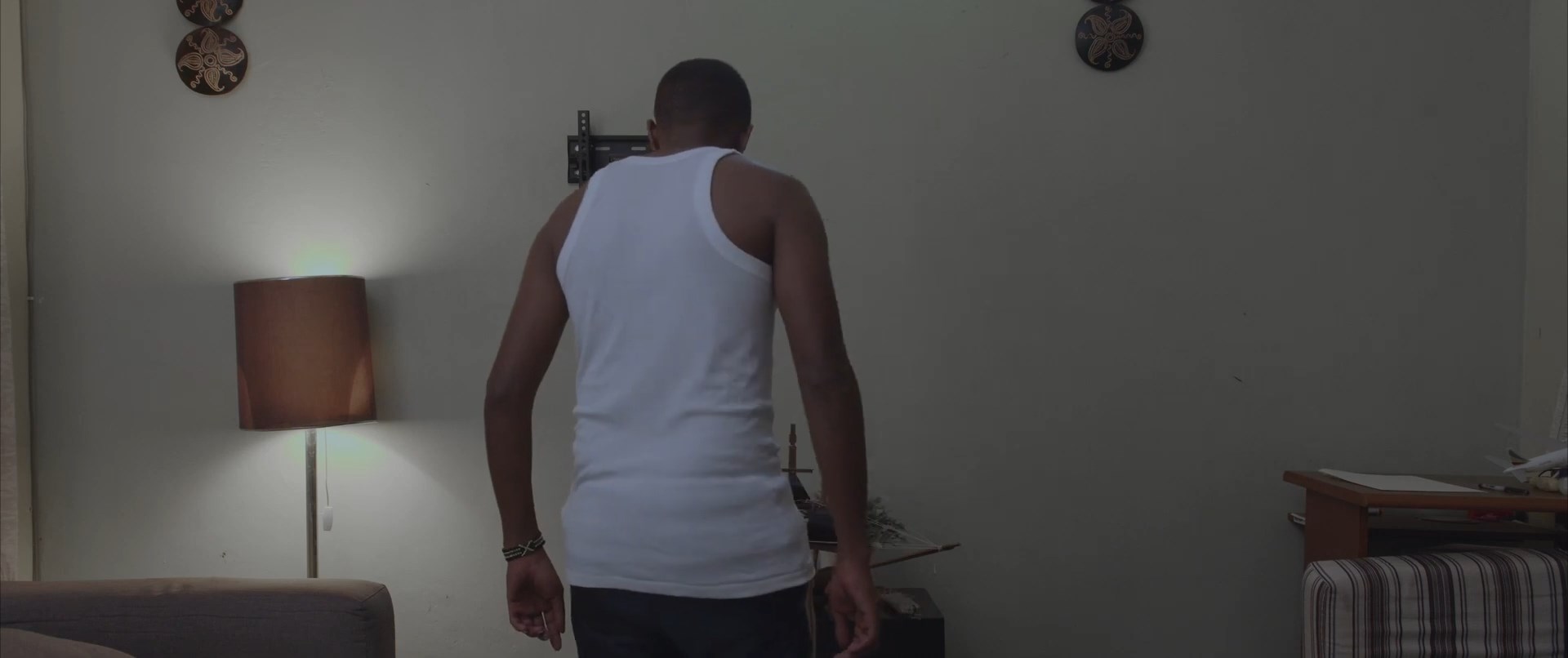
The film leans into strong visual language, using light, composition, and symbolic elements to reinforce tension. Everyday objects take on new meaning, transforming familiar spaces into arenas of psychological conflict.
Moments of realism blend with stylized imagery, creating a tone that occasionally borders on surreal. This balance allows the story to feel grounded while still exploring abstract emotional states.
Visual and Narrative Style
The film leans into strong visual language, using light, composition, and symbolic elements to reinforce tension. Everyday objects take on new meaning, transforming familiar spaces into arenas of psychological conflict.
Moments of realism blend with stylized imagery, creating a tone that occasionally borders on surreal. This balance allows the story to feel grounded while still exploring abstract emotional states.
Production Journey
What began as a simple 30-second concept for a WhatsApp status evolved into a full short film. Once the idea revealed its potential, expansion became inevitable.
Production of the short film spanned six months, covering:
Concept development and pre-production
Shooting and performance direction
Editing and composition
Sound design, scoring, and mixing
Animation and interface design
Despite a limited budget, the project received full cinematic treatment. Every stage demanded precision, time, and persistence.
Outcome and Impact
Still Waters was a labor-intensive project that pushed both creative and personal limits. The process proved demanding enough to lead to a five-year pause in personal filmmaking.
The effort, however, paid off. The film went on to win an award, validating the work behind it.
Support played a key role. Family contributed essential resources, while friends dedicated their time and talent to bring the vision to life. The result stands as a testament to commitment, collaboration, and belief in the project.
Moments of realism blend with stylized imagery, creating a tone that occasionally borders on surreal. This balance allows the story to feel grounded while still exploring abstract emotional states.
Kel Macharia is a Nairobi-based filmmaker and visual storyteller whose work explores human emotion, societal tensions, and the unexpected twists of life. Self-taught and driven by curiosity, he brings a cinematic lens to every project, blending passion with meticulous attention to detail.
Make a Comment
CLOSE
Perfectly aligned creative and production expertise to increase digital impact.